
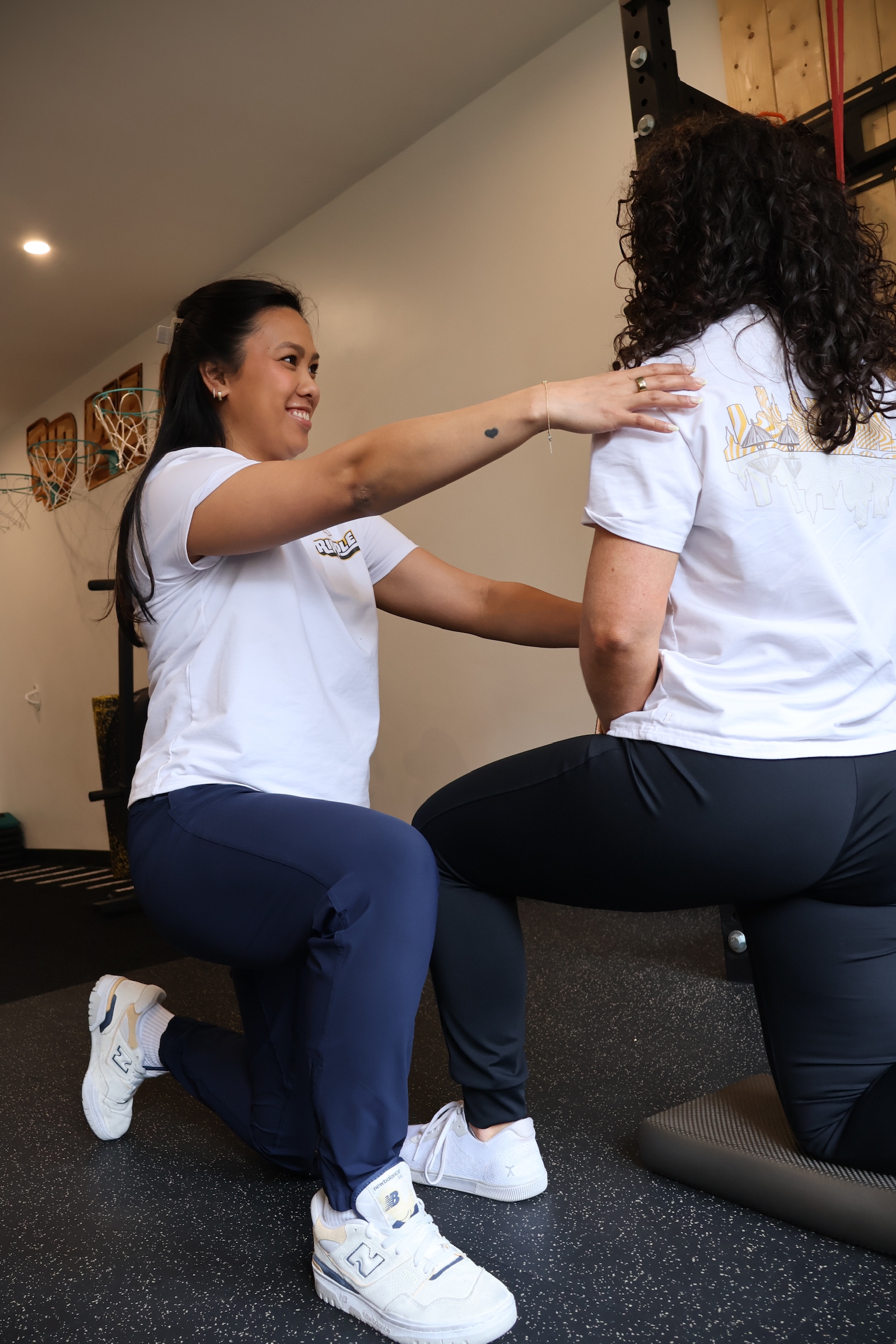
For active adults in Boston, the prospect of surgery can be a disheartening thought. An injury does not just sideline you; it threatens your lifestyle, your passion, and your sense of identity. Many people assume surgery is the only definitive path back to peak performance after a structural injury.
At Ripple Boston, a performance-focused physical therapy clinic in Boston, MA, that is not always the case. Before considering an invasive procedure, it is worth exploring the powerful non-surgical alternatives that can heal your body and support your long-term athletic goals.
Why Surgery Is Not Always the First Answer
Surgery plays a critical role in certain severe cases, but it comes with inherent risks, a lengthy recovery period, and no guarantee of returning to your previous performance level. For many common athletic injuries, particularly those involving joints and soft tissues, conservative management through orthopedic and sports physical therapy is often a highly effective first line of defense.
Conditions such as labral tears, meniscus injuries, rotator cuff pain, and ACL injuries are frequently addressed successfully without an operation. The approach at Ripple Boston prioritizes exhausting all non-surgical avenues first, empowering your body's natural healing processes and restoring function through targeted, evidence-based care.
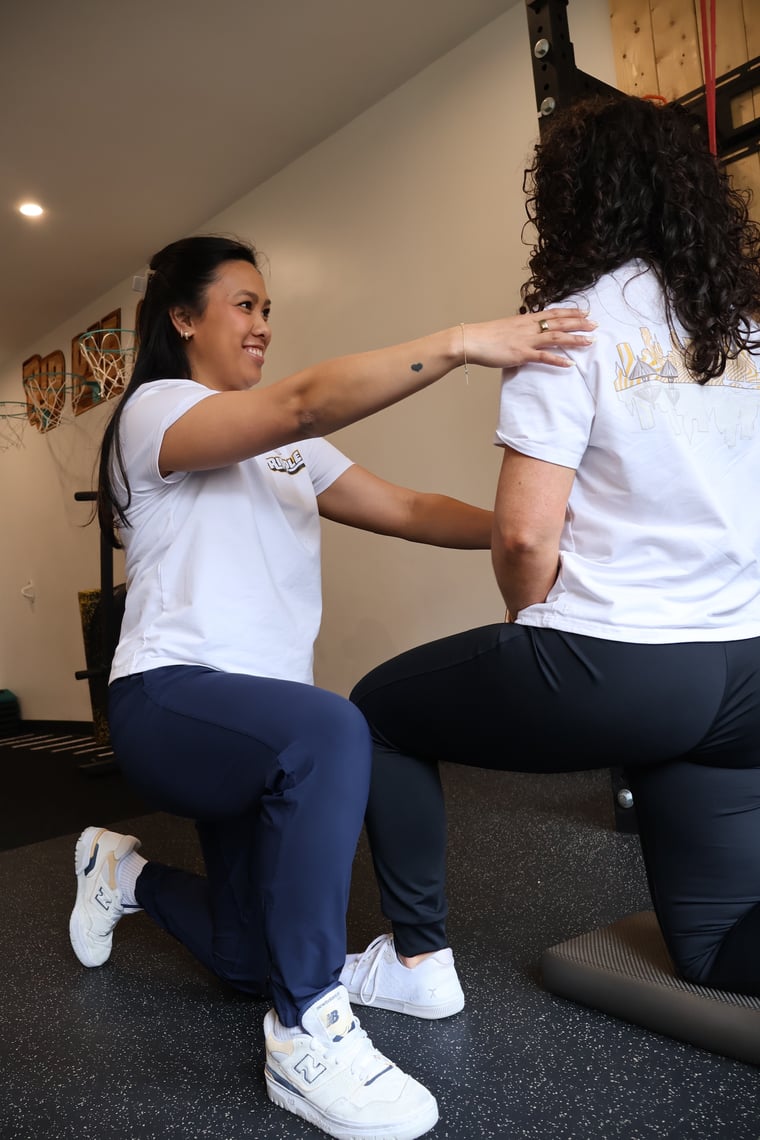
The Performance Physical Therapy Difference
What sets Ripple Boston apart when considering alternatives to surgery is a commitment to performance physical therapy. Rather than treating symptoms in isolation, every session is built around identifying the root cause of your pain or dysfunction.
This approach means your care is tailored specifically to your body, your sport, and your goals. Whether you are dealing with runner's knee, shoulder impingement, IT band syndrome, or Achilles tendinopathy, treatment is designed to address what is actually driving the problem, not just where it hurts.
Assessing the Root Cause
Avoiding surgery starts with a thorough understanding of why an injury occurred and what is preventing recovery. At Ripple Boston, comprehensive assessment goes beyond a basic evaluation. Objective tools and movement-based testing are used to gain precise insight into your body's mechanics.
- Functional Movement Assessment: Identifies dysfunctional movement patterns throughout the entire body, not just the injured area.
- Running Gait Analysis: Dissects running mechanics to pinpoint inefficiencies that contribute to injury or slow return to sport.
- Isokinetic / Dynamometer Testing: Measures strength imbalances and power output to ensure muscles are ready for the demands of your activity.
- Return-to-Sport Testing: Provides objective benchmarks to guide safe progression back to full activity.
- Titleist Performance Institute (TPI) Testing: Evaluates how physical limitations affect your golf swing and increase injury risk.
This data-driven foundation allows for highly targeted interventions that address your specific needs.
Targeted Treatments That Support Natural Healing
Once the root cause is identified, a range of evidence-based techniques is applied to accelerate healing, reduce pain, and restore function. These treatments are often the stimulus your body needs to recover without surgical intervention.
- Dry Needling: Releases trigger points and reduces muscle tension to promote blood flow and decrease nerve irritation.
- Blood Flow Restriction (BFR) Training: Builds meaningful strength and muscle with lighter loads, minimizing stress on healing tissues.
- Manual Therapy and Joint Mobilization: Restores proper joint mechanics and reduces pain through hands-on intervention.
- Myofascial Release and Cupping: Improves tissue extensibility and mobility in restricted areas.
- IASTM / Graston and Soft Tissue Mobilization: Addresses scar tissue and fascial restrictions that limit movement.
- Neuromuscular Re-Education: Retrains the nervous system to support proper movement patterns after injury.
- Therapeutic Exercise and Plyometrics: Progressively rebuilds strength, stability, and sport-specific capacity.
These modalities are integrated into a cohesive plan designed to get you back to your sport stronger and more resilient.
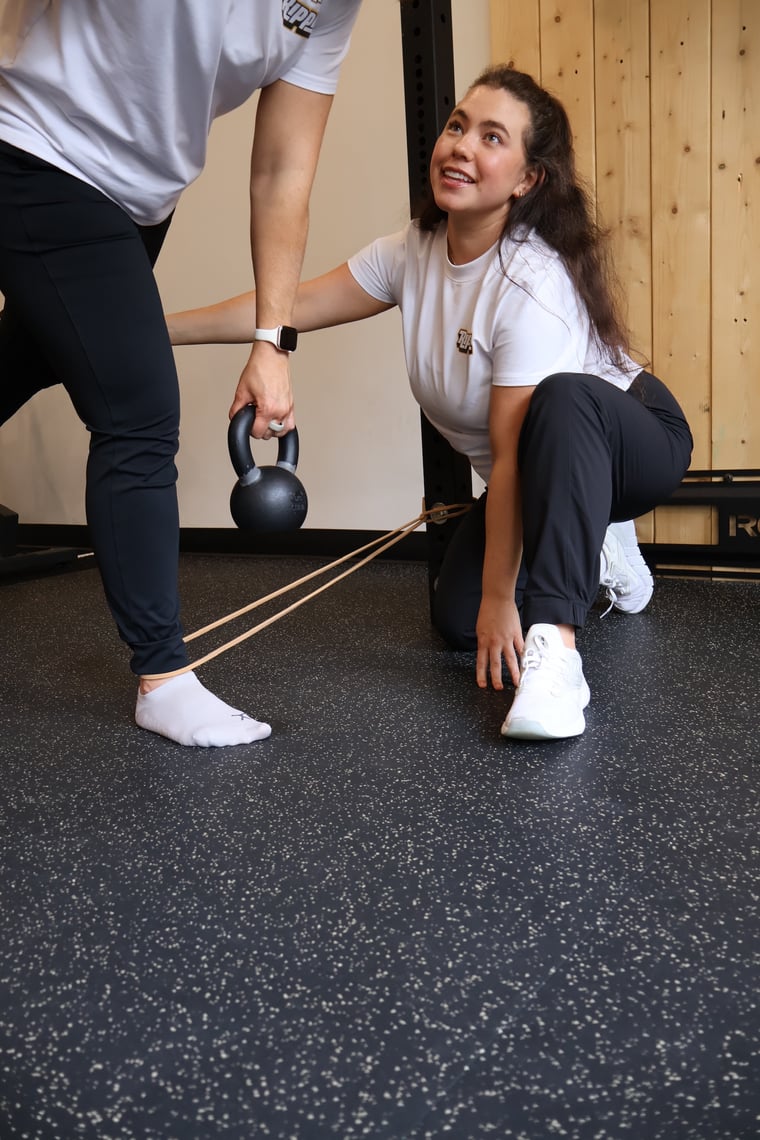
Prehab and Proactive Injury Prevention
The most effective way to avoid surgery is to prevent injuries from occurring or worsening in the first place. Prehab, or pre-injury rehabilitation, is a proactive strategy that identifies weaknesses, imbalances, and movement dysfunctions before they escalate into serious problems.
At Ripple Boston, this means building resilience in vulnerable areas such as the low back, knees, hips, and shoulders through targeted strength and conditioning and mobility work. For runners, athletes, and active professionals in Boston, investing in prehab can mean the difference between staying active and facing a surgical recovery.
Common conditions that respond well to a prehab and conservative care approach include:
- Low back pain and sciatica
- Hip impingement (FAI) and labral tears
- Patellofemoral pain and meniscus injuries
- Rotator cuff pain and shoulder impingement
- Plantar fasciitis and Achilles tendinopathy
- ACL injuries and hamstring strains
Building a strong foundation that can withstand the demands of your sport is central to long-term performance and injury prevention.
Take the Next Step with Ripple Boston
Do not let the fear of surgery dictate your recovery or limit your athletic potential. If you are an active individual in Boston experiencing pain or struggling to return to your sport, performance physical therapy offers a clear, evidence-based alternative.
Ripple Boston is dedicated to helping you achieve lasting relief and stronger performance without unnecessary surgical intervention. Schedule your consultation today and discover what targeted, performance-focused physical therapy can do for you.
_Physical%20Therapy%20in%20Boston_%20A%20Complete%20Guide%20to%20Recovery%20and%20Performance_November2025_Image2.png)